

How to Lower Blood Sugar Naturally: 7 Proven Steps
Table of Contents
- Signs of High Blood Sugar You Shouldn't Ignore
- How to Lower Blood Sugar Quickly: Steps That Work Within Hours
- Foods That Lower Blood Sugar: What to Eat and What to Limit
- Exercise to Lower Blood Sugar: Move More, Sit Less
- Daily Habits That Support Healthy Glucose Levels
- Supplements and Natural Remedies: What the Evidence Shows
- Personalizing Your Plan and When to Get Medical Help
- Frequently Asked Questions
Last Updated: October 5, 2026
Signs of High Blood Sugar You Shouldn't Ignore
Learning how to lower blood sugar naturally starts with recognizing when your levels are already too high. High blood sugar, or hyperglycemia, happens when glucose builds up in your bloodstream faster than your cells can absorb it. The pattern is consistent: the earliest signs get dismissed as normal tiredness.
Early Warning Signs
The American Diabetes Association's hyperglycemia guidance lists these common early signals:
- Frequent urination, especially at night
- Constant thirst and dry mouth
- Blurred vision that clears and returns
Many people notice increased thirst first. That's your body trying to flush excess glucose through urine, which then causes dehydration and more thirst.
When Symptoms Signal an Emergency
Most high blood sugar develops slowly over days or weeks. But certain symptoms need immediate medical care:
- Confusion or difficulty staying alert
- Rapid breathing with a fruity breath odor
- Nausea and vomiting that won't stop
These can indicate diabetic ketoacidosis, a medical emergency. Call for help rather than trying to treat it at home.
How to Lower Blood Sugar Quickly: Steps That Work Within Hours
The fastest natural steps to lower blood sugar are physical movement and hydration. Neither requires a prescription, and both work on the same principle: helping your body move glucose out of the bloodstream and into cells where it's used for energy.
Here's what actually moves the needle within a few hours:
- Take a 15-20 minute walk. Muscles use glucose during contraction, and this happens independently of insulin.
- Drink a full glass of water. Dehydration concentrates glucose in your blood; rehydration dilutes it and helps your kidneys clear excess.
- Skip the next sugary snack or drink. Removing the next glucose spike gives your body time to catch up.
- Check your levels again in 2 hours. If readings haven't moved, that's information you need to share with your doctor.
What most guides miss is that these steps buy time, not a cure. A single walk can lower a reading temporarily, but consistency is what changes your A1C over months.
Foods That Lower Blood Sugar: What to Eat and What to Limit
No single food lowers blood sugar on its own, but certain foods slow glucose absorption and keep readings steadier after meals. The goal is building meals around fiber, protein, and healthy fats while cutting back on refined carbohydrates and added sugar.
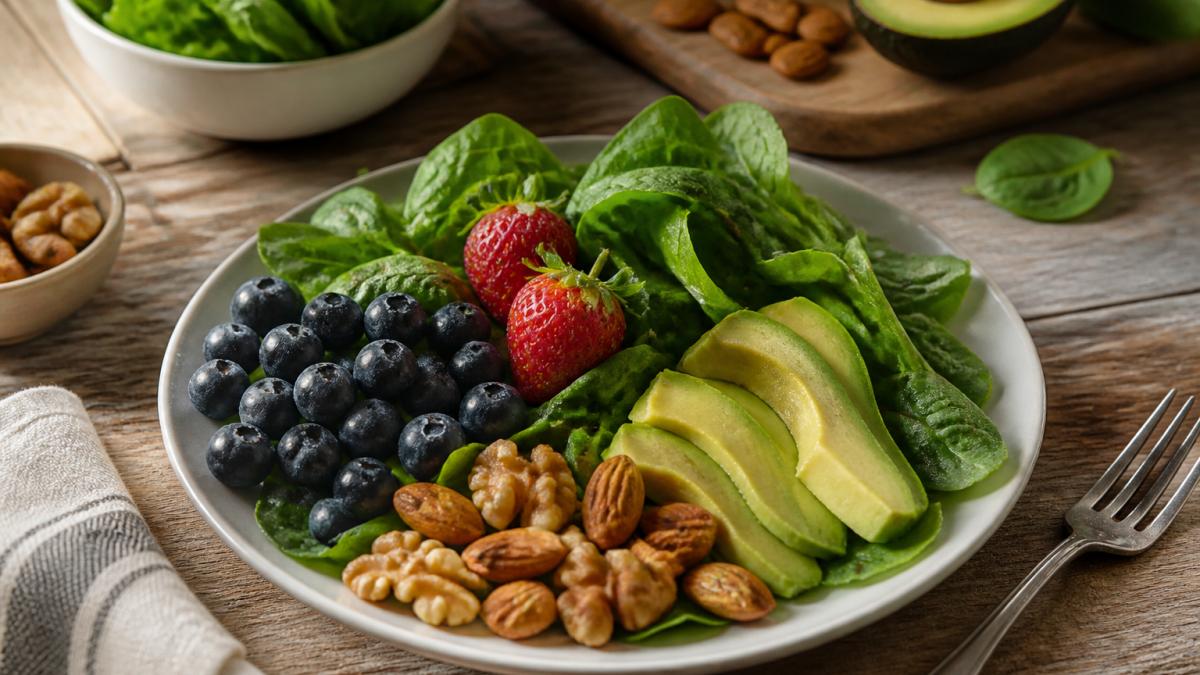
Best Foods to Add to Your Plate
According to the CDC's guidance on diabetes meal planning, fiber-rich foods slow digestion and blunt post-meal glucose spikes. Prioritize:
- Leafy greens like spinach, kale, and arugula
- Berries (raspberries, blackberries, strawberries) over bananas and grapes
- Avocados and nuts, which pair fat with fiber
What a Balanced Plate Actually Looks Like
A common pattern that works for many people is the plate method: fill half the plate with non-starchy vegetables, one quarter with lean protein, and one quarter with a carbohydrate-rich food.
Here are three realistic meals with approximate portions:
- Breakfast: Two eggs scrambled with a cup of spinach, half an avocado, and one slice of whole-grain toast. The toast is the carbohydrate portion; the eggs, spinach, and avocado slow its absorption.
- Lunch: A palm-sized portion of grilled chicken or tofu, two cups of mixed greens with olive oil and vinegar, and half a cup of black beans. The beans count as both carbohydrate and fiber.
- Dinner: A palm-sized portion of salmon, one cup of roasted broccoli, and half a cup of cooked quinoa or brown rice. The quinoa is the carbohydrate portion.
These portions are starting points, not prescriptions. A person on insulin, someone with kidney disease, or a pregnant reader may need different amounts.
Foods and Drinks That Spike Glucose
Sugary drinks are the biggest offender. Liquid sugar hits the bloodstream fast because there's no fiber or fat to slow absorption. A 12-ounce regular soda can contain about 39 grams of carbohydrate, most of it added sugar, and it does little to make you feel full. White bread, white rice, and most breakfast cereals break down quickly too.
Simple Swaps That Flatten the Curve
Small substitutions often do more than willpower. Consider these swaps:
- White rice to brown rice or quinoa. Same volume, more fiber, slower digestion.
- Soda to sparkling water with lime. Removes the liquid sugar entirely.
- Sweetened yogurt to plain Greek yogurt with berries. Cuts added sugar and adds protein.
Reading Labels Without Getting Lost
When you check a nutrition label, look at two numbers: total carbohydrate and added sugar. Total carbohydrate is what affects blood glucose; added sugar is the portion most worth reducing. A food with 30 grams of total carbohydrate and 2 grams of fiber is different from one with 30 grams and 10 grams of fiber, even though the carbohydrate number matches.
Exercise to Lower Blood Sugar: Move More, Sit Less
Exercise lowers blood sugar by increasing insulin sensitivity, which means your cells respond to insulin more efficiently. The American Diabetes Association's fitness recommendations note that both aerobic activity and resistance training improve glucose control, and combining them works better than either alone.
Post-Meal Walks and Timing
A 10-15 minute walk within 30 minutes of eating is one of the most reliable natural strategies. Muscle contraction during walking pulls glucose from the blood without requiring extra insulin. Timing matters: the same walk three hours later has less effect.
Strength Training and Consistency
Two to three sessions per week of resistance training builds muscle, and muscle stores glucose. More muscle means more storage capacity. Start with bodyweight movements or light weights, and increase gradually.
Daily Habits That Support Healthy Glucose Levels
Small daily routines compound. Hydration, sleep, stress management, meal timing, and monitoring all influence blood sugar, and most people underestimate how much. The habits below are general starting points; how they apply to you depends on your diabetes type, medications, and other health conditions.
Hydration, Sleep, and Stress
Water helps your kidneys clear excess glucose. Aim for steady intake throughout the day rather than gulping it all at once. Poor sleep raises cortisol, which raises blood sugar, so seven to eight hours matters. Chronic stress does the same thing. A short daily routine, whether it's a walk, breathing exercises, or journaling, helps keep cortisol in check.
Meal Timing and Portion Control
Skipping meals often backfires. It can cause overeating later and unstable glucose levels. Eating regular meals at consistent times, with portion control on carbohydrates, keeps readings more predictable. Weight management supports this: losing even modest amounts of weight improves insulin sensitivity for many people.
Monitoring: What to Track and What the Numbers Mean
If you have a glucose meter or continuous glucose monitor, the patterns matter more than any single reading. A common approach is to check fasting glucose in the morning and again two hours after the start of a meal.
Two numbers are worth understanding together:
- Daily readings show short-term patterns, like how a particular meal or walk affected you that day.
- A1C reflects average glucose over roughly the past two to three months. It is reported as a percentage, and many clinicians use it alongside daily readings to see the bigger trend.
A single high reading is not a crisis. A pattern of high readings at the same time of day is worth discussing with your healthcare professional, because it may point to a meal, a medication timing issue, or a change in routine.
Personalizing These Habits
The same habit can affect two people differently. A person with type 1 diabetes manages insulin dosing alongside meals and activity, so timing matters in a way it does not for someone with prediabetes.
Before changing your routine significantly, especially if you take blood sugar medication, talk with your healthcare professional. They can help you adjust timing, portions, or monitoring to fit your situation.
How Quickly Habits Show Up in Your Numbers
Expectations matter. Post-meal walks can shift readings within an hour. Reducing sugary drinks may show up in daily readings within three to seven days. Adding fiber and protein tends to affect post-meal control over one to two weeks. Weight loss and a consistent exercise routine may take two to three months to show up in A1C, because A1C reflects a longer average.
| Habit | Expected Timeline | What It Affects |
|---|---|---|
| Post-meal walk | Within 1 hour | Immediate post-meal spikes |
| Hydration | Within hours | Mild elevation, dehydration |
| Reducing sugary drinks | 3-7 days | Daily glucose stability |
| Adding fiber and protein | 1-2 weeks | Post-meal control |
| Weight loss | 2-3 months | A1C improvement |
| Exercise routine | 2-3 months | Insulin sensitivity |
Supplements and Natural Remedies: What the Evidence Shows
Supplements are where the evidence gets thin, and honesty matters more than marketing here.
What the research suggests, cautiously:
- Apple cider vinegar may blunt post-meal glucose spikes slightly when taken before eating. Effects are small.
- Cinnamon shows mixed results across studies, with some participants seeing modest improvements.
- Magnesium and zinc support normal glucose metabolism, but only help if you're actually deficient.
None of these replace medication, and none should be started without telling your doctor, especially if you take blood sugar medication.
Our blood sugar support formulations are built on herb-based ingredients, and we're direct about what supplements can and can't do.
Personalizing Your Plan and When to Get Medical Help
Your plan depends on your diabetes type, medications, and other conditions. A person with type 1 diabetes needs a different approach than someone with prediabetes.
How quickly strategies work varies. Post-meal walks can shift readings within an hour. Dietary changes show up in daily readings within a week.
Get medical help when readings stay high despite your efforts, when you have symptoms of ketoacidosis, or when you're unsure how a new habit interacts with your medication.
| Strategy | Expected Timeline | Best For |
|---|---|---|
| Post-meal walk | Within 1 hour | Immediate post-meal spikes |
| Hydration | Within hours | Mild elevation, dehydration |
| Reducing sugary drinks | 3-7 days | Daily glucose stability |
| Adding fiber and protein | 1-2 weeks | Post-meal control |
| Weight loss | 2-3 months | A1C improvement |
| Exercise routine | 2-3 months | Insulin sensitivity |
Frequently Asked Questions
What is the quickest way to lower your blood sugar naturally?
The fastest natural approach is usually 10 to 15 minutes of light activity, such as walking, which helps muscles use glucose. Drinking water supports hydration and kidney function. If you take insulin or certain medications, follow your doctor's plan. For very high readings with symptoms like confusion or vomiting, seek emergency care.
What are 5 signs your blood sugar is too high?
Common signs include increased thirst, frequent urination, blurred vision, fatigue, and slow-healing cuts or bruises. Some people also notice tingling in hands or feet. These signs can develop gradually. If you have several at once, check your blood sugar and contact your doctor, especially if readings stay above your target range.
Which foods can help support healthy blood sugar levels?
Foods that lower blood sugar support include non-starchy vegetables, leafy greens, berries, avocados, nuts, and whole grains. These provide fiber, healthy fats, and antioxidants that slow glucose absorption. Pair them with lean protein. Limit sugary drinks, refined carbohydrates, and added sugar, which can spike glucose quickly.
Can walking after a meal lower blood sugar?
Yes. A 10- to 15-minute walk after meals can help lower post-meal glucose by increasing muscle glucose uptake. It also supports weight management and cardiovascular health. Try a gentle pace after dinner; consistency matters more than intensity. If you use insulin, check with your doctor about timing to avoid lows.
How do sleep and stress affect blood sugar?
Poor sleep and high stress raise cortisol and other hormones that can increase blood glucose. Aim for 7 to 9 hours of sleep and use stress-reduction techniques like deep breathing or short walks. These habits support insulin sensitivity and help your daily routine stay stable, which makes glucose control easier.
When should high blood sugar be treated as a medical concern?
Seek medical care if your blood sugar is very high (for example, above 240 mg/dL) and you have symptoms like confusion, vomiting, fruity breath, or difficulty breathing. Also get help if you have signs of dehydration or cannot keep fluids down. These can signal a serious condition that needs urgent treatment.
Are natural supplements effective for lowering blood sugar?
Some supplements, such as berberine, cinnamon, and apple cider vinegar, have shown modest effects in studies, but evidence quality varies. They are not a substitute for medication, diet, and exercise. If you have prediabetes or diabetes, talk to your doctor before adding any supplement, especially if you take blood sugar-lowering drugs.
Managing blood sugar naturally works best as a layered plan: movement, food choices, hydration, sleep, and consistency over months, not days. Andina Natural supports that plan with herbal blood sugar support and heart health formulations, free shipping on orders over $50, and a secure checkout. If you're building a daily routine and want natural support alongside your doctor's guidance, shop our blood sugar support collection and find what fits your plan.