

How to Improve Hormonal Balance Naturally
Table of Contents
- Understanding Hormonal Balance and Imbalance
- Signs of Hormonal Imbalance to Watch For
- Step 1: Adopt a Hormone-Balancing Diet
- Step 2: Move Your Body with Regular Exercise
- Step 3: Manage Stress and Cortisol Levels
- Step 4: Prioritize Quality Sleep
- Herbs for Hormone Balance and Gut Health
- Natural Ways to Balance Hormones: Building Your Action Plan
- Frequently Asked Questions
Last Updated: October 11, 2026
Understanding Hormonal Balance and Imbalance
Hormonal balance is the state where your body produces and regulates hormones at optimal levels to support healthy metabolism, mood, energy, and reproductive function. Your hormones act as chemical messengers. They control everything from blood sugar to stress response to sleep cycles.
When hormones fall out of sync, you experience energy crashes, sleep disruption, and digestive issues. Diet, movement, stress management, and sleep form the foundation to improve hormonal balance naturally.
Signs of Hormonal Imbalance to Watch For
Common signs of hormonal imbalance include persistent fatigue, irregular sleep, mood swings, unexplained weight gain, bloating, brain fog, and changes in skin clarity. Women may notice irregular periods or vaginal dryness. Men may experience shifts in energy or sexual function.
Stress, poor sleep, diet, caffeine, and life-stage transitions trigger these symptoms. Distinguishing normal fluctuation from imbalance determines whether you need lifestyle changes, professional evaluation, or both.
Distinguishing Normal Fluctuation from Imbalance
Normal hormonal fluctuation is cyclical and predictable: menstrual cycle symptoms following a consistent monthly pattern, energy dips that resolve with rest, temporary sleep disruption during seasonal transitions, and mild mood changes tied to identifiable stressors.
Potential imbalance shows different patterns:
- Symptoms persisting 8+ weeks despite lifestyle stability
- Irregular menstrual cycles (shorter than 21 days or longer than 35 days)
- Severe symptoms interfering with work or daily function
- Multiple symptoms appearing together consistently
- Symptoms worsening despite adequate sleep, stress management, and good nutrition
- Sudden changes from your baseline
Tracking to Clarify the Pattern
Keep a simple log for at least four weeks. Note:
- Energy levels throughout the day (rate 1-10 at morning, midday, evening)
- Sleep quality and duration (hours slept, how rested you felt)
- Digestive comfort (bloating, regularity, discomfort)
- Mood and mental clarity (stable, anxious, foggy, sharp)
- Menstrual cycle (if applicable: cycle length, flow, PMS symptoms, ovulation signs)
- Skin changes (breakouts, dryness, clarity)
- Stressors and context (high-stress week, travel, diet changes, illness)
After four weeks, identify patterns: Do symptoms cluster around your cycle, spike during stress, or persist despite good sleep and diet? Patterns reveal whether you're dealing with normal fluctuation or something requiring attention.
When to Seek Professional Evaluation
Consider scheduling an appointment with your primary care provider or a gynecologist (for menstrual concerns), endocrinologist, or functional medicine practitioner if:
- Menstrual irregularity: Cycles consistently shorter than 21 days or longer than 35 days; missing periods for 3+ months; severe pain or bleeding that limits activity
- Severe symptoms: Extreme fatigue that doesn't improve with sleep; mood changes severe enough to affect relationships or work; unexplained weight gain or loss of 10+ pounds
- Persistent symptoms despite lifestyle changes: You've followed a consistent diet, exercise, and sleep routine for 8+ weeks with no improvement
- New or worsening symptoms: A sudden shift from your baseline (new irregular periods, new fatigue, new anxiety)
- Symptoms suggesting a specific condition: Suspect thyroid disease (fatigue, temperature sensitivity, weight changes), polycystic ovary syndrome (irregular periods, excess facial hair, acne), or perimenopause (hot flashes, night sweats, mood changes in your 40s)
- Family history: Close relatives with thyroid disease, diabetes, or other endocrine conditions
- Other health conditions: You're managing diabetes, autoimmune disease, or take medications that can affect hormones
What Testing Can and Cannot Show
If you see a healthcare provider, they may order hormone testing. Understanding what testing reveals helps you interpret results accurately.
Blood tests measure hormone levels at a specific moment: thyroid function, reproductive hormones, metabolic hormones, and cortisol.
Saliva tests measure cortisol patterns across the day but are less standardized than blood tests.
At-home tests are convenient but results vary by timing and collection method.
What testing cannot show: Testing alone cannot diagnose lifestyle-related imbalance. Normal hormone levels don't rule out symptoms; some people feel unwell despite "normal" results, suggesting nutrient deficiency, inflammation, or sleep apnea.
Testing clarifies whether a medical condition is present, but lifestyle changes remain the first-line approach. If testing shows a condition, medical treatment may be necessary alongside lifestyle changes.
Step 1: Adopt a Hormone-Balancing Diet
A hormone-balancing diet emphasizes whole foods that stabilize blood sugar, support gut health, and provide nutrients your endocrine system needs.
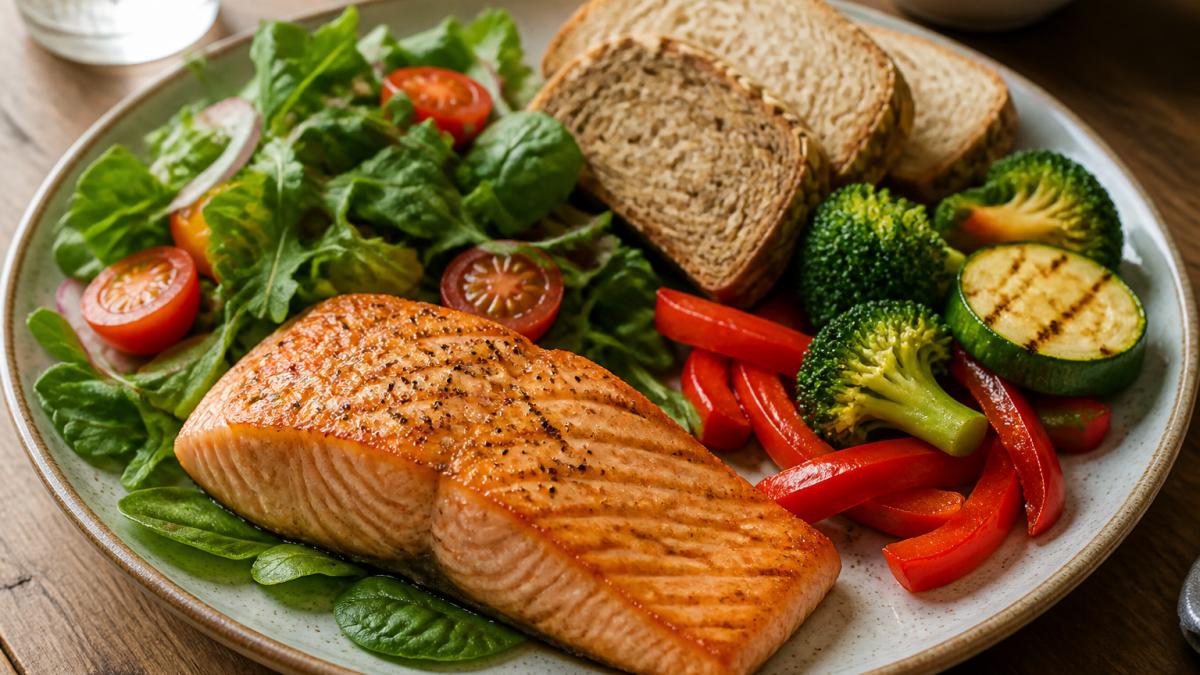
Remove processed foods with added sugar and refined carbohydrates, they spike insulin and trigger inflammation. Replace them with whole grains, vegetables, legumes, and quality protein sources.
Protein, Fiber, and Blood Sugar Stability
Protein stabilizes blood sugar by slowing carbohydrate digestion. Aim for protein at every meal: eggs, fish, chicken, legumes, or Greek yogurt. Fiber supports hormone regulation through gut health, your gut bacteria help metabolize estrogen. Aim for 25-30 grams daily from whole grains, leafy greens, and legumes. Blood sugar stability is the foundation: when it crashes, cortisol rises, disrupting sleep and reproductive hormones.
Practical steps: pair carbs with protein and healthy fats, eat vegetables with every meal, choose whole grains, and eat regular meals instead of skipping.
Foods That Support Hormone Regulation
Fatty fish (salmon, sardines) provide omega-3s that reduce inflammation, aim for two servings weekly. Leafy greens support estrogen metabolism. Legumes provide plant-based protein and fiber. Healthy fats from avocados, nuts, seeds, and olive oil are essential for hormone production. Avoid processed foods with added sugars, high-omega-6 vegetable oils, excessive caffeine, and alcohol.
Step 2: Move Your Body with Regular Exercise
Strength training (two sessions weekly) increases insulin sensitivity. Cardio (30 minutes most days) reduces cortisol. HIIT (two 20-minute sessions weekly) boosts metabolic hormones. Consistency matters more than intensity, a 30-minute walk most days beats sporadic intense workouts. If stressed, prioritize walking and gentle yoga over HIIT.
Step 3: Manage Stress and Cortisol Levels
Chronic stress elevates cortisol, disrupting sleep and reproductive hormones (Interactions between sleep, stress, and metabolism). Effective practices include meditation, breathwork, mindfulness, and time in nature. Start small: five minutes of daily breathing, a 15-minute phone-free walk, or ten minutes of meditation. Consistency matters more than the practice itself.
Step 4: Prioritize Quality Sleep
Sleep is when your body regulates hormones. Aim for seven to nine hours nightly with consistent bedtimes (the CDC). Sleep hygiene: keep your bedroom cool and dark, avoid screens one hour before bed, limit caffeine after 2 p.m. If sleep remains disrupted after two weeks, consider stress, pain, or sleep apnea, these require professional attention.
Herbs for Hormone Balance and Gut Health
Certain herbs support hormone regulation and gut health, which influences hormone metabolism. Evidence quality varies, and effectiveness depends on your specific situation and underlying cause.
Evidence-Graded Herbal Options
Stronger evidence:
- Spearmint tea (2 cups daily) may reduce excess androgens and support PCOS or hormonal acne after 4-8 weeks.
- Vitex (Chasteberry) may regulate cycle length and PMS symptoms after 2-3 months. May interact with dopamine-related medications.
- Ginger and turmeric reduce inflammation and bloating within 1-2 weeks. Turmeric may thin blood at high doses.
Moderate evidence:
- Milk thistle supports liver function after 4-8 weeks.
- Fennel traditionally used for digestive comfort.
- Maca root shows mixed evidence for sexual function.
Realistic Timelines and Individual Variation
Most herbs show noticeable effects after 4-8 weeks of consistent use. Response depends on underlying cause, dose and quality, individual biology, and consistency.
Safety, Interactions, and When to Avoid
Herbs are not automatically safe because they're "natural." Several carry real risks:
Medication interactions:
- Vitex may reduce effectiveness of dopamine-related medications
- Milk thistle may interact with birth control pills, statins, and diabetes medications
- Ginger and turmeric thin blood; avoid high doses with blood thinners
- Spearmint may lower androgens; avoid with testosterone medications
Conditions requiring caution:
- Pregnancy and breastfeeding: Avoid vitex, black cohosh, and high-dose ginger.
- Hormone-sensitive cancers: Avoid estrogenic herbs (red clover, black cohosh).
- Liver disease: Use milk thistle and turmeric cautiously.
- Bleeding disorders: Avoid ginger and turmeric at high doses.
Before starting any herb, inform your healthcare provider, especially if you take medications, are pregnant or breastfeeding, or have a chronic health condition. A pharmacist can flag specific interactions.
Herbs as Support, Not Replacement
Herbs amplify the effects of diet, exercise, stress management, and sleep, they don't replace them. If you're eating processed foods, sleeping poorly, and under chronic stress, an herbal blend won't restore balance. The foundation must be solid first.
Natural Ways to Balance Hormones: Building Your Action Plan
Sustainable progress comes from small, stacked improvements. Week 1-2: Eliminate one sugar source, walk 15 minutes five days, establish consistent bedtime. Week 3-4: Add one strength session, include protein and fiber at every meal, practice five minutes of daily breathing. Week 5+: Add a second strength session, introduce herbal support if needed, track improvements.
Tracking Progress and Knowing When to Seek Medical Evaluation
Track your baseline before making changes. After four weeks, reassess using the same metrics.
You can improve hormonal balance naturally through consistent, practical changes. Diet, movement, stress management, and sleep form the foundation. Andina Natural's natural herbal formulations support these lifestyle changes.
Frequently Asked Questions
How long does it take to see results from natural hormone balancing?
Most people notice changes within two to four weeks. Energy stabilizes first. Sleep improves next. Skin and digestion follow.
Can I balance hormones naturally without supplements?
Yes. Diet, exercise, stress management, and sleep alone create significant improvement for many people.
Are natural approaches safe alongside prescription medications?
Generally yes, but individual interactions vary.
What if I've tried diet and exercise and nothing changed?
This suggests either a medical condition requiring professional evaluation, or that your approach needs adjustment.
How do I know if my symptoms are hormonal or something else?
Hormonal symptoms often appear in clusters and connect to your cycle or life stage.
Frequently Asked Questions
What are the main signs of hormonal imbalance?
Common signs include irregular menstrual cycles, unexpected weight gain or difficulty losing weight, fatigue, mood changes, brain fog, sleep disruption, hot flashes, vaginal dryness, and changes in skin or hair. Symptoms vary by age and which hormones are affected. If you notice persistent changes, track them for a few weeks and discuss patterns with your doctor to determine whether medical evaluation is needed.
How long does it take to see results from natural hormone-balancing methods?
Most people notice subtle improvements in energy, mood, or digestion within 2-4 weeks of consistent diet and lifestyle changes. Menstrual cycle regularity and weight shifts often take 2-3 months. Realistic expectations matter: natural methods support hormone regulation but work gradually. If symptoms are severe or worsening, medical evaluation should not wait, natural methods complement, not replace, medical care when needed.
Can herbs for hormone balance actually help, or is that just marketing?
Some herbs, such as those supporting liver function and gut health, have research suggesting they may help the body regulate hormones more effectively. However, evidence quality varies. Herbs work best as part of a complete approach including diet, exercise, sleep, and stress management. Quality and purity matter: choose reputable sources. Always check with your doctor before adding herbs, especially if you take medications, because some herbs can interact with prescriptions.
How do I know if my hormone symptoms are normal fluctuation or a real problem?
Normal hormonal fluctuations occur with your menstrual cycle, aging, and stress. A real problem typically involves symptoms that persist, worsen, or interfere with daily life, like severe fatigue, unexplained weight changes, or mood swings that don't resolve. Track symptoms for 2-3 months, note patterns, and share them with your doctor. Hormone testing can help, but blood tests show only a snapshot; your symptoms and medical history matter more for diagnosis.