

Herbal Enzyme Supplements for Digestion: 2026 Review
Table of Contents
- Why Herbal Enzyme Supplements for Digestion Are Worth a Closer Look
- How We Evaluated the Best Digestive Enzyme Supplements
- Comparison Table: Herbal Enzyme Supplements at a Glance
- Top Herbal Enzyme Supplements Reviewed
- How to compare these products by potency, not milligrams
- Andina Natural: Herbal Formulas for Digestive Support
- Enzymedica Digest Gold with ATPro
- Thorne Advanced Digestive Enzymes
- Physician's CHOICE Digestive Enzymes for Bloating & Digestion
- Pure Encapsulations Digestive Enzymes Ultra
- What the comparison does not tell you
- Digestive Enzymes for Bloating: What the Evidence Shows
- Digestive Enzyme Supplement Side Effects and Safety
- Digestive Enzymes with Meals: Timing, Dosage, and Results
- How to Choose an Herbal Enzyme Supplement
- Frequently Asked Questions
Last Updated: October 18, 2026
Why Herbal Enzyme Supplements for Digestion Are Worth a Closer Look
Herbal enzyme supplements for digestion pair plant-derived enzymes with botanical ingredients to support the breakdown of food and ease everyday digestive discomfort. At Andina Natural, our digestive support line offers formulas that work with your body's own digestive process rather than masking symptoms.
The category has grown crowded, and the labels are not always honest about what's inside. Below, we discuss how to read a label before you spend money on a bottle that sits in your cabinet.
How We Evaluated the Best Digestive Enzyme Supplements
A note on what we could verify: published comparisons, including Healthline's digestive enzyme supplement guide, group products by use case rather than by standardized activity, so we treated manufacturer labels as the primary source and flagged gaps where they exist.
Comparison Table: Herbal Enzyme Supplements at a Glance
| Product | Enzyme Source | Format | Best For | Label Transparency |
|---|---|---|---|---|
| Andina Natural | Herbal, plant-based | Capsules | Broad daily digestive support | Full ingredient list on site |
| Enzymedica Digest Gold with ATPro | Plant and microbial | Capsules | General, catchall use | Formula named, details limited |
| Thorne Advanced Digestive Enzymes | Mixed | Capsules | Fatty meals, heartburn concerns | Ingredient list not shown in results |
| Physician's CHOICE Digestive Enzymes | Multi-enzyme blend | Capsules | Bloating, dairy, fiber | Botanicals named in title |
| Pure Encapsulations Digestive Enzymes Ultra | Vegetarian enzymes | Capsules, 90 count | Nutrient absorption | Vegetarian blend confirmed |
Top Herbal Enzyme Supplements Reviewed
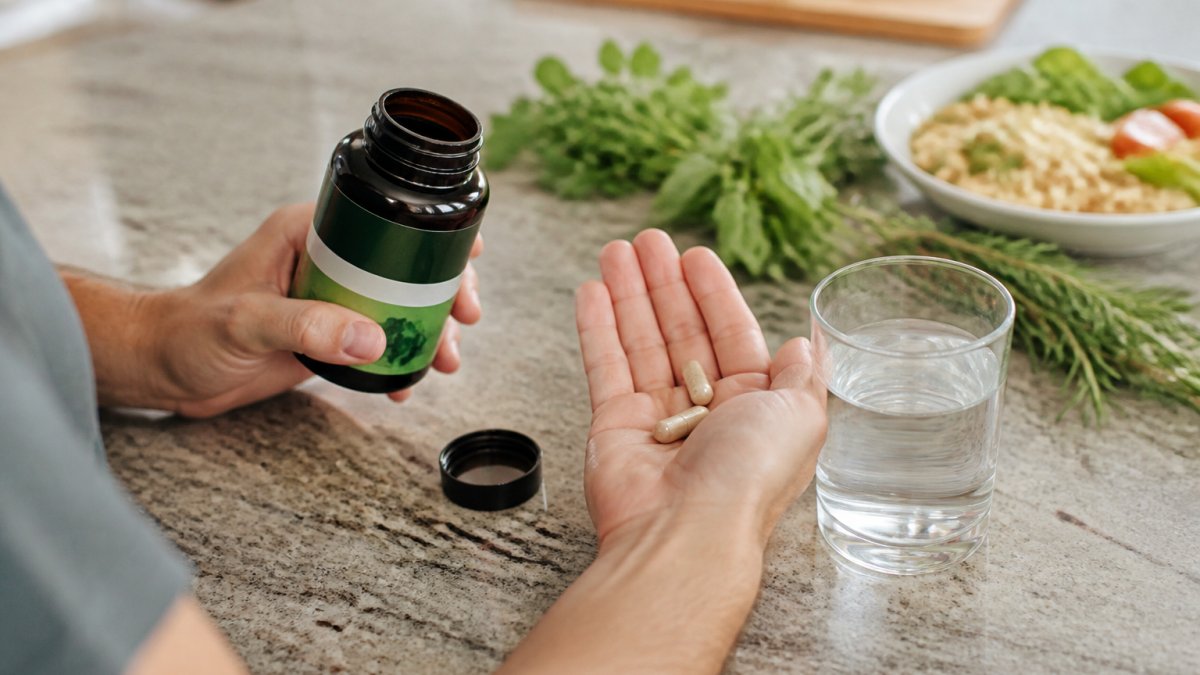
Each product below serves a slightly different buyer. We ordered them by how well they fit the average person looking for herbal, plant-forward digestive support, but before the individual reviews, here is the comparison framework most product roundups skip.
How to compare these products by potency, not milligrams
A 500 mg capsule tells you almost nothing. Enzyme potency is expressed in activity units, and the unit depends on the enzyme class:
- Proteases (break down protein) are measured in HUT (hemoglobin units on a tyrosine basis) or, for some fungal proteases, SAPU.
- Amylases (carbohydrates) are measured in DU (dextrinizing units).
- Lipases (fats) are measured in FIP or LU.
A label that lists "enzyme blend 400 mg" without activity units makes cross-product comparison impossible. A label that lists, for example, "Amylase 20,000 DU" and "Lipase 3,000 FIP" per serving lets you compare against another product on the same scale. When you shop, look for the units column, not the milligram column, and confirm the serving size, some labels quote activity per capsule, others per two-capsule serving.
Andina Natural: Herbal Formulas for Digestive Support
Andina Natural offers herb-based formulas, and the site lists what goes into each product. The range covers digestive support alongside heart and blood sugar categories for shoppers managing more than one concern.
If you want to compare enzyme potency number for number, ask our team directly before ordering. The transparency and the herbal focus are key aspects of our products.
Enzymedica Digest Gold with ATPro
Healthline names this one as its catchall pick for most digestive needs. It is a broad-spectrum option rather than a targeted formula, which can be a reasonable starting point if you are not sure what is triggering your discomfort. The supplied product information does not verify current pricing or the full enzyme breakdown, so check the label in person before you commit, and when you do, read the activity units on the back panel rather than the front-of-bottle blend name.
Thorne Advanced Digestive Enzymes
Thorne gets flagged for heartburn and fatty meals in the same Healthline comparison. If your discomfort shows up after rich, high-fat dinners rather than everyday meals, this is a formula to consider. Ingredient amounts and dosage are not published in the sources we reviewed, ask for the supplement facts panel before you buy, and check whether the lipase activity is stated in FIP or LU.
Physician's CHOICE Digestive Enzymes for Bloating & Digestion
This one appears as a multi-enzyme listing in Amazon's best-seller results, and its label targets protein, carbohydrates, fiber, and dairy. The title also names CoQ10, turmeric, aged garlic, and pine bark, which makes it a hybrid enzyme-and-botanical product rather than a pure enzyme blend. If you are looking for a clean enzyme comparison, the botanical add-ons may make it harder to isolate what is doing the work.
Pure Encapsulations Digestive Enzymes Ultra
A vegetarian enzyme mixture in a 90-capsule bottle, described as supporting nutrient bioavailability and absorption. If you avoid animal-derived enzymes, this is a suitable option. The specific enzymes are not detailed in the sources we reviewed, so read the full panel before buying, and confirm whether the capsule itself is vegetarian, since a vegetarian enzyme blend can still sit in a gelatin capsule on some SKUs.
What the comparison does not tell you
None of these labels, as reviewed, publish a full activity-unit breakdown side by side. That is the single biggest limitation of shopping this category online. The practical workaround: request the supplement facts panel from the seller, compare the units for the enzyme class that matches your trigger (lactase for dairy, lipase for fat, amylase and cellulase for fiber and starch), and treat any brand that will not share the panel as a pass.
Digestive Enzymes for Bloating: What the Evidence Shows
Digestive enzymes for bloating work best when the bloating traces to a specific food your body struggles to break down, such as dairy, fiber, or fat. A targeted enzyme that addresses that gap can reduce the heaviness and gas that follow a meal. A broad blend may help less if the trigger is unidentified.
The stronger angle most roundups miss is separating the evidence by ingredient and symptom rather than treating "digestive enzymes" as one thing. Here is how the evidence actually breaks down:
Lactase and dairy-related bloating
Lactase is the best-supported example in the category. People with lactose malabsorption lack enough of the enzyme to split lactose into glucose and galactose, so undigested lactose ferments in the colon and produces gas and bloating. Lactase supplements taken with dairy are a well-established approach, and the effect is dose-dependent, you need enough ALU to handle the amount of lactose in the meal.
Alpha-galactosidase and fiber-heavy meals
Beans, lentils, broccoli, and other gas-producing vegetables contain oligosaccharides that human enzymes cannot break down. Alpha-galactosidase supplements are marketed specifically for this pattern, and the mechanism is plausible: the enzyme cleaves those oligosaccharides before they reach the colon. Evidence is more modest than for lactase, and results vary by person and by meal size, so treat it as a targeted trial rather than a guaranteed fix.
Lipase and high-fat meals
Lipase breaks triglycerides into fatty acids and glycerol. For people who feel heaviness after rich, high-fat meals, a lipase-forward formula is the logical match. The evidence here is less about diagnosed fat malabsorption (which is a medical condition requiring a clinician) and more about meal-specific discomfort. This is the category where Thorne's positioning fits, and where a broad blend with low lipase activity is least likely to help.
Bromelain and papain: the herbal angle
Bromelain (from pineapple) and papain (from papaya) are proteases, and they are plant enzymes often paired with botanicals in herbal formulas. They support protein breakdown. Protein-digestion support is the relevant claim for bloating after protein-heavy meals.
What the evidence does not support
General wellness claims, "supports digestion," "eases occasional discomfort", are broad enough to be unfalsifiable. The FDA does not permit dietary supplements to claim they treat, cure, or prevent disease, and the FDA's guidance on dietary supplements is the reference for what a label can and cannot say. If a product promises to resolve a diagnosed condition, that is a red flag, not a feature.
A practical way to test the match
Many people find that keeping a simple food-and-symptom log for two weeks reveals the pattern before they buy anything. That log tells you whether you need a lactase-focused product, a fiber-digesting blend, or a general formula. Buying blind is how most supplement bottles end up half-full in a cabinet.
Digestive Enzyme Supplement Side Effects and Safety
Most people tolerate digestive enzyme supplements well, but side effects can include mild stomach upset, gas, or changes in stool, particularly in the first week. Starting with one capsule rather than a full serving lets you see how your body responds.
If you take blood thinners, diabetes medication, or blood pressure medication, talk to your doctor before adding any enzyme product. Plant enzymes like bromelain and papain can interact with some medications, and the FDA's guidance on dietary supplements is clear that supplements are regulated differently from drugs.
Digestive Enzymes with Meals: Timing, Dosage, and Results
Digestive enzymes with meals work on contact, which means timing matters more than almost any other factor. Take them at the start of eating so they reach the stomach with the food.
Dosage depends on the formula and the activity units on the label, so follow the serving size printed on the bottle rather than guessing.
How to Choose an Herbal Enzyme Supplement
Choosing well comes down to reading the label like a skeptic. Use this checklist before you buy:
- Are the enzyme sources plant-derived, and does the label name them (bromelain, papain, and similar)?
- Does the panel list activity units, not just milligrams?
- Does the formula target your actual trigger (dairy, fat, fiber, or general)?
One more consideration: herbal enzyme supplements are not the same as prescription enzyme therapy, which a doctor prescribes for specific diagnosed conditions. If your symptoms are severe, persistent, or accompanied by weight loss, see a physician before self-treating.
Frequently Asked Questions
Can herbal enzyme supplements help with bloating?
They can help in specific cases. Herbal enzyme supplements that include bromelain, papain, and other plant-derived enzymes may support the breakdown of proteins, carbohydrates, and fats, which can reduce gas and bloating after meals. The effect depends on the formula's enzyme activity and whether your bloating is linked to incomplete digestion. If bloating persists or comes with pain, talk to a healthcare provider before relying on supplements alone.
What are the side effects of taking digestive enzymes?
Most people tolerate digestive enzyme supplements well. Some may experience mild digestive discomfort, nausea, or changes in stool when starting a new formula. People with allergies to specific fruits or plants should check labels carefully, since bromelain and papain come from pineapple and papaya. If you take blood thinners or have a medical condition, consult your doctor before use, as some enzymes can interact with medications.
Should digestive enzymes be taken with meals?
Yes, digestive enzymes work best when taken with meals. The enzymes need to be present in the stomach alongside food to support the breakdown of proteins, carbohydrates, and fats. Most labels recommend taking a serving at the start of a meal or with the first few bites. Taking them on an empty stomach is unlikely to provide the same digestive support.
How do I choose an herbal enzyme supplement?
Look for a formula that lists specific enzyme activity units, not just ingredient names. Check whether the product includes plant-derived enzymes like bromelain and papain, and whether it covers the foods you struggle with most, such as dairy, fats, or fiber. Consider third-party testing and allergen information. A well-labeled supplement will state serving size, enzyme sources, and whether it is vegetarian or vegan.
Do digestive enzyme supplements really work?
They can support digestion for some people, especially those with occasional bloating or discomfort after meals. Clinical evidence varies by enzyme type and formula. Herbal enzyme supplements are not intended to treat or cure medical conditions. If you have chronic digestive issues, a healthcare provider can help determine whether enzymes are appropriate and which type may be most useful for your symptoms.
Digestive discomfort after meals is common, and finding the right enzyme formula should not require a research degree. At Andina Natural, we stock herb-based digestive support alongside heart and blood sugar formulas, ship free on orders over $50, and keep our ingredient lists where you can actually read them. Start with one formula matched to your main trigger, give it three weeks, and see how your body responds.