

Are Herbal Supplements Safe for Prediabetes?
Table of Contents
- Herbal Supplements and Prediabetes: What the Evidence Actually Shows
- Why Prediabetes Changes the Risk Calculus
- The Best Herbs for Prediabetes Backed by Human Studies
- Supplements for Prediabetes: Benefits, Limits, and Dose Transparency
- Supplements to Avoid With Diabetes and Prediabetes
- How to Choose a Safe Dietary Supplement: A 6-Step Check
- Monitoring Blood Glucose After You Start a Supplement
- Conclusion
- Frequently Asked Questions
Last Updated: October 14, 2026
Herbal Supplements and Prediabetes: What the Evidence Actually Shows
If you have prediabetes, the question of whether herbal supplements are safe is not a simple yes or no. It depends on the herb, your medications, and your overall health.
Prediabetes means your blood sugar is higher than normal but not yet in the diabetes range. About 1 in 3 American adults has it, according to the CDC prediabetes statistics. Many people turn to herbal remedies hoping to avoid medication. That instinct is understandable. But it also carries real risks that most guides gloss over.
Below, we break down which herbs have human studies behind them, which ones can interact badly with glucose-lowering medication, and how to check any product before you buy it.
Why Prediabetes Changes the Risk Calculus
Prediabetes changes the safety math because your blood sugar already sits in a fragile zone. A supplement that nudges glucose down might help, or it might push you into hypoglycemia, especially if you also take medication. Dizziness, fatigue, and confusion can follow.
The bigger risk is replacement thinking. Herbal supplements are complementary medicine, not a substitute for lifestyle changes or prescribed treatment. Clinical evidence for most herbs is limited, and research limitations are real. Many studies are small, short, and use different doses.
Your doctor needs to know about every dietary supplement you take. That conversation is not optional. It is the single most important safety step.
The Best Herbs for Prediabetes Backed by Human Studies
Several herbs show promise in human studies, but the evidence is mixed, doses vary widely, and most trials enroll people with type 2 diabetes rather than prediabetes specifically. That distinction matters: a study showing a benefit in diabetes does not automatically translate to prediabetes, where blood sugar is elevated but not yet in the diabetes range. The four most discussed herbs are cinnamon, fenugreek, ginger, and ginseng.
Cinnamon, Fenugreek, Ginger, and Ginseng: What Trials Found
Here is what the research suggests for each, including the dose ranges studied and the limits of the evidence:
- Cinnamon, Some small trials link cinnamon to lower fasting blood glucose, with studied doses often in the range of 1 to 6 grams per day of cassia or Ceylon cinnamon. Results are inconsistent across trials, and high doses of cassia cinnamon can stress the liver because of naturally occurring coumarin. People with liver conditions should be especially cautious.
- Fenugreek, Seeds may slow sugar absorption and improve blood sugar control. Studied doses often range from about 5 to 10 grams per day of seed powder or extract. Fenugreek can also lower blood sugar too far when combined with medication, and it may cause gastrointestinal upset in some people.
- Ginger, Early studies suggest modest effects on fasting blood glucose, often at doses of about 1 to 3 grams per day. It is generally well tolerated at food-level amounts, but higher supplemental doses can cause heartburn or interact with blood thinners.
- Ginseng, May improve insulin resistance in some trials, with studied doses varying widely by extract type (for example, Panax ginseng at 200 mg to 3 grams per day). It can interact with blood thinners and diabetes drugs, and some people experience insomnia or headaches.
Other herbs sometimes mentioned include aloe, curcumin, Moringa oleifera, and saffron. Evidence for these is thinner, and human trials are often small or short in duration.
Evidence Quality and Dose Transparency
Not all evidence is equal. Laboratory and animal studies can suggest a mechanism, but they do not prove that a supplement will work or be safe in people. Human trials are stronger, but many are small, short, and use different extracts or doses. A product on a store shelf may contain a different extract, a different dose, or a different part of the plant than the one studied. That is why dose transparency matters: if a label lists a proprietary blend without amounts, you cannot compare it to any study dose.
Supplements for Prediabetes: Benefits, Limits, and Dose Transparency
Supplements for prediabetes offer modest potential benefits at best. No herb replaces diet, physical activity, or prescribed care. Dose transparency is where most products fail you.
Many labels list a proprietary blend without stating how much of each herb is inside. That makes it impossible to compare against study doses. Product quality also varies. Contamination with heavy metals, fillers, and even prescription drugs has been found in some supplements sold in the U.S.
The FDA regulates dietary supplements as food, not drugs. That means no pre-market proof of effectiveness is required. Third-party testing seals, like USP or NSF, are your best signal of product quality.
Supplements to Avoid With Diabetes and Prediabetes
Some supplements are risky enough that we recommend avoiding them if you have prediabetes or diabetes. The list includes herbs that lower blood sugar unpredictably and those that interfere with medication.
Supplements to avoid with diabetes include:
- St. John's wort - Interferes with many medications, including some diabetes drugs.
- Bitter melon in high doses - Can cause hypoglycemia when combined with medication.
- High-dose chromium - May interact with insulin and cause low blood sugar.
- Licorice root - Can raise blood pressure, a problem if you also manage hypertension.
Drug Interactions That Cause Hypoglycemia
Hypoglycemia is the most dangerous interaction risk. It happens when a supplement and your glucose-lowering medication both push blood sugar down. Symptoms include shakiness, sweating, confusion, and in severe cases, loss of consciousness.
The risk is higher if you take insulin or sulfonylureas. Always tell your pharmacist about every supplement, vitamin, and herbal remedy you use. They can flag interactions your doctor might miss.
How to Choose a Safe Dietary Supplement: A 6-Step Check
Use this process before buying any supplement. It takes about ten minutes and can save you from a bad reaction.
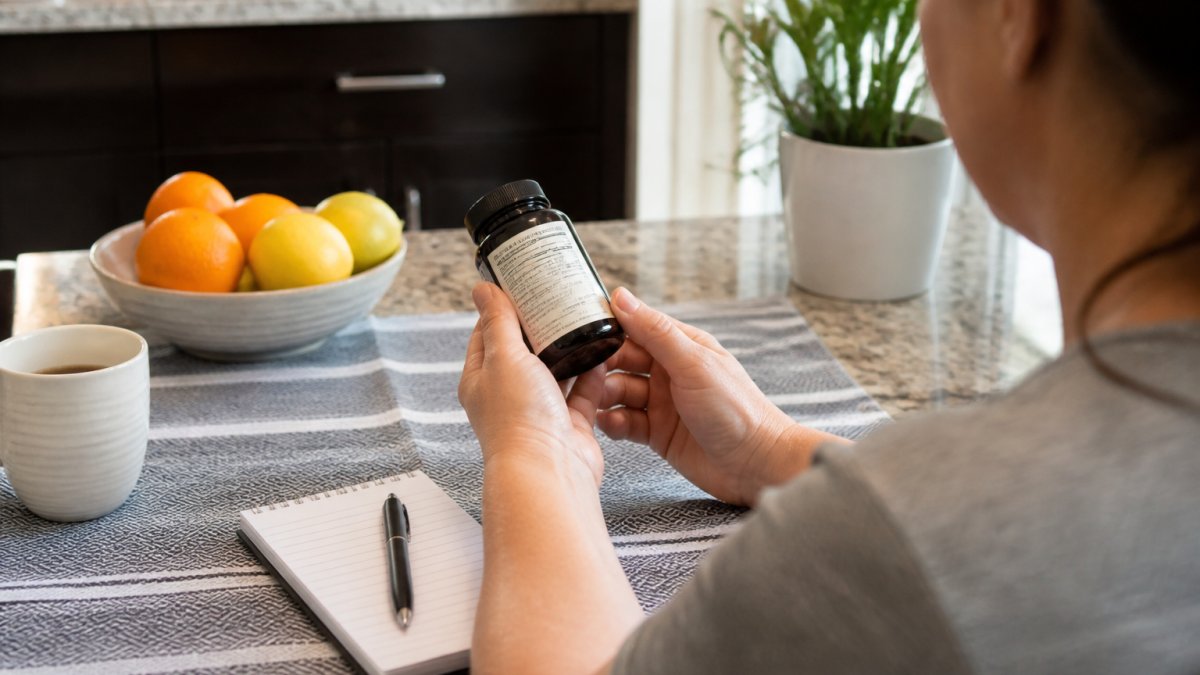
- Check the label for a full ingredient list - Avoid proprietary blends with no amounts listed.
- Look for third-party testing seals - USP, NSF, or ConsumerLab verification.
- Search for the herb on NIH's ODS site - The NIH Office of Dietary Supplements has fact sheets on most herbs.
- Cross-check against your medications - Use a drug interaction checker or ask your pharmacist.
- Start with one supplement at a time - Never add two new products in the same week.
- Tell your doctor before you start - Bring the bottle to your next appointment.
Questions to Ask Your Doctor or Pharmacist
- Will this herb interact with my current medications?
- What dose is safe given my kidney and liver function?
- What symptoms should make me stop taking it?
- How often should we check my blood glucose while I take it?
Monitoring Blood Glucose After You Start a Supplement
Monitoring blood glucose after starting a supplement tells you whether it is helping or hurting. Check your fasting blood glucose more often during the first two weeks. Log the numbers and note any dizziness, fatigue, or unusual symptoms.
If your readings drop too low, or you feel shaky or confused, stop the supplement and call your doctor. Do not wait to see if it passes.
Lifestyle changes remain the foundation. Diet, physical activity, and weight management do more for blood sugar control than any herb. Supplements can support that work, but they cannot replace it.
Conclusion
Managing prediabetes is a long game, and it is easy to feel like you are doing it alone. We built Andina Natural to make natural blood sugar and heart support simpler and safer to explore, with herbal formulations, clear product categories, and free shipping on orders over $50. Our secure site makes it easy to start. Shop All and find the support that fits your routine.
Frequently Asked Questions
Can herbal supplements interact with blood sugar medications?
Yes. Fenugreek, cinnamon, ginger, and ginseng can lower blood glucose on their own, so combining them with glucose-lowering medication such as metformin or insulin may push levels too low. Signs of hypoglycemia include dizziness, shakiness, sweating, and fatigue. St. John's wort is a separate concern because it speeds up how the liver breaks down many drugs, which can weaken your prescription. Tell your doctor and pharmacist about every supplement before you start, and ask whether your dose or monitoring schedule needs to change.
Are herbal supplements proven to prevent type 2 diabetes?
No. No herbal supplement has been proven to prevent type 2 diabetes. Human studies on cinnamon, fenugreek, and similar herbs show modest effects on fasting blood glucose at best, and results vary between trials. Many studies are small, short, and use different doses or extracts, which limits how much you can conclude. Lifestyle changes such as diet, physical activity, and weight loss remain the interventions with the strongest evidence for reversing prediabetes. Treat supplements as a possible add-on, not a replacement for that foundation.
What supplements should people with prediabetes avoid?
Be cautious with any product marketed as a blood sugar cure, since those often hide undisclosed prescription drugs. Avoid high-dose niacin and certain weight-loss or "energy" blends that can raise blood glucose or blood pressure. St. John's wort interacts with many medications, and aloe taken by mouth as a laxative can cause cramping and electrolyte loss. Skip anything without a full ingredient list, and never stop or reduce prescribed medication on your own. Ask a pharmacist to screen any new product against your current prescriptions.
Should I tell my doctor before taking an herbal supplement for prediabetes?
Yes, every time. Bring the actual bottle so your doctor or pharmacist can read the ingredient list, the dose per serving, and the manufacturer. Mention how much you plan to take and how often, since dose is what drives both benefit and risk. Ask whether the herb interacts with your medications, whether you should monitor blood glucose more often at first, and what symptoms mean you should stop. This conversation takes a few minutes and is the single most useful safety step you can take.
Editorial note: This article is for general information only. It does not replace medical advice. Talk with your doctor or pharmacist before starting any herbal supplement, especially if you take glucose-lowering medication.